
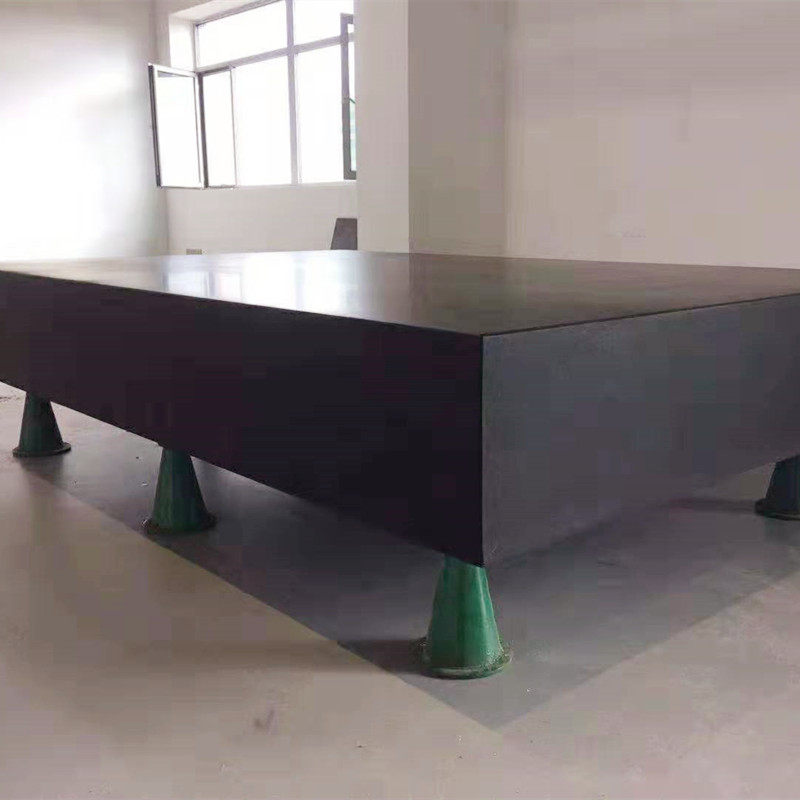
double pane glass panels
The Importance of Precision in Metal Fabrication A Closer Look at Protractors Metal fabrication is a vital industry that involves the creation of metal structures and parts through processes such as cutting, bending, and assembling. The accuracy of these processes is crucial, as any mistake can lead to significant errors in the final product, potentially compromising its structural integrity and functionality. This is where tools like the protractor come into play, serving as indispensable aids in ensuring precision during fabrication. The Importance of Precision in Metal Fabrication A Closer Look at Protractors When it comes to metal fabrication, achieving precise angles is often a critical requirement. For example, when fabricating structural frames or supports, the angles between different components must be exact to ensure that the entire structure remains stable and does not weaken over time. A protractor allows fabricators to measure these angles accurately, thereby mitigating risks associated with structural failures. metal fabrication protractor In addition to ensuring accuracy, the use of a protractor can significantly streamline the fabrication process. By providing a reliable means for measuring angles as metal pieces are being shaped and fitted together, workers can save time that would otherwise be lost to trial and error. This increased efficiency not only enhances productivity but also minimizes waste materials, as fewer mistakes lead to less scrap metal. Moreover, the precision achieved with the use of protractors contributes to the overall quality of metal products. High-quality fabrication often results in better-performing end-products, which can lead to increased customer satisfaction and repeat business. In industries where safety is paramount, such as construction and aerospace, the implications of precise metal fabrication cannot be overstated. In recent years, the integration of Computer Numerical Control (CNC) machines into metal fabrication has further underscored the importance of precision instruments like protractors. Even as technology advances, the foundational principles of measurement remain critical. CNC machines can perform complex tasks with incredible accuracy; however, they rely heavily on the initial input of precise measurements provided by tools like protractors and other measuring devices. In conclusion, the importance of protractors in metal fabrication cannot be overlooked. They play a vital role in ensuring accuracy, enhancing productivity, and improving the overall quality of fabricated metal products. As the industry continues to evolve, these traditional tools can seamlessly integrate with modern technology to create a more efficient and precise fabrication process. Whether through manual measuring or integrating with advanced machinery, the legacy of the protractor in metal fabrication remains a testament to the industry's commitment to precision and quality.
about
double pane glass panels
Understanding the Bore Gauge The 18-35mm Measurement Range In the realm of precision engineering and manufacturing, the bore gauge serves as an indispensable tool for quality control, ensuring that cylindrical holes meet specified tolerances and dimensions. Among the various sizes and types of bore gauges available on the market, the 18-35mm bore gauge stands out for its versatility and effectiveness in measuring a range of bore diameters. What is a Bore Gauge? A bore gauge, also known as an internal micrometer or bore dial gauge, is a specialized measuring instrument designed to assess the diameter of cylindrical openings, such as holes in metal parts, engine cylinders, and pipe fittings. The primary purpose of this tool is to provide precise measurements, allowing engineers and machinists to diagnose issues related to hole size, roundness, and taper. Importance of the 18-35mm Range The 18-35mm range is particularly significant in various industries, including automotive manufacturing, aerospace, and heavy machinery. Parts manufactured within these specifications often require tight tolerances to ensure proper function and durability. For example, components in an engine must have precisely machined internal diameters to facilitate seamless assembly and optimal operation. The 18-35mm bore gauge allows professionals to measure these critical dimensions accurately. By ensuring that holes fall within this range, manufacturers can prevent costly errors during the assembly process, which could lead to malfunctions or decreased efficiency of the machinery. How to Use a Bore Gauge Using a bore gauge may seem challenging at first, but with practice, it becomes a straightforward process. Here’s a step-by-step guide on using a bore gauge in the 18-35mm range 1. Preparation Ensure that the bore gauge is clean and calibrated before use. The gauge should be zeroed out to guarantee accurate measurements. bore gauge 18 35mm 2. Insertion Carefully insert the gauge into the bore to be measured. Ensure that the measuring tips are positioned correctly and that the gauge is perpendicular to the bore's axis. 3. Adjusting the Measurement Expand the gauge gently until its measuring tips contact the walls of the bore. Some gauges have a dial indicator that will help you see the size reading more clearly. 4. Reading the Measurement Once the gauge is set, read the measurement directly from the scale or dial. Repeat the process at multiple depths within the bore to check for consistency, as this may reveal issues like tapering or cylindricity. 5. Recording Results Finally, record all measurements for further analysis. In a quality control setting, these records are essential for maintaining manufacturing standards. Benefits of Using a Bore Gauge One of the most significant advantages of using a bore gauge in the 18-35mm range is its capacity for precision. Unlike other measuring tools that may only provide approximate readings, the bore gauge delivers reliable and accurate results, which are critical in high-stakes environments. Furthermore, bore gauges come in various styles, including digital versions that offer enhanced readability and data storage features, making it easier to track measurements over time. This technological advancement increases efficiency and reduces human error during inspections. Conclusion In summary, the bore gauge, particularly in the 18-35mm range, plays a critical role in modern manufacturing and engineering. Its ability to provide precise measurements ensures that products meet the stringent quality standards expected in today’s competitive market. By understanding and utilizing this essential tool, engineers and machinists can significantly enhance the reliability and performance of their mechanical components, ultimately leading to greater customer satisfaction and operational success.
-

High quality industrial productsagement

High quality industrial products
View Details -

Meet the diverse needs of customers

Meet the diverse needs of customers
View Details -

Strict quality control

Strict quality control
View Details -

Top raw materials

Top raw materials
View Details -

Trusted supplier

Trusted supplier
View Details
Our application


news and information
Water control valve
Understanding Water Control Valves Function, Types, and Applications Water control valves are pivota

Valve Automation_ Benefits of Motorized Control Systems
In today’s rapidly evolving industrial landscape, automation has become synonymous with efficiency,
Valvola a farfalla da 250 mm per applicazioni industriali e sistemi di controllo del flusso
Valvola a Farfalla da 250 mm Un Componente Essenziale per la Regolazione dei Fluidi La valvola a far
 English